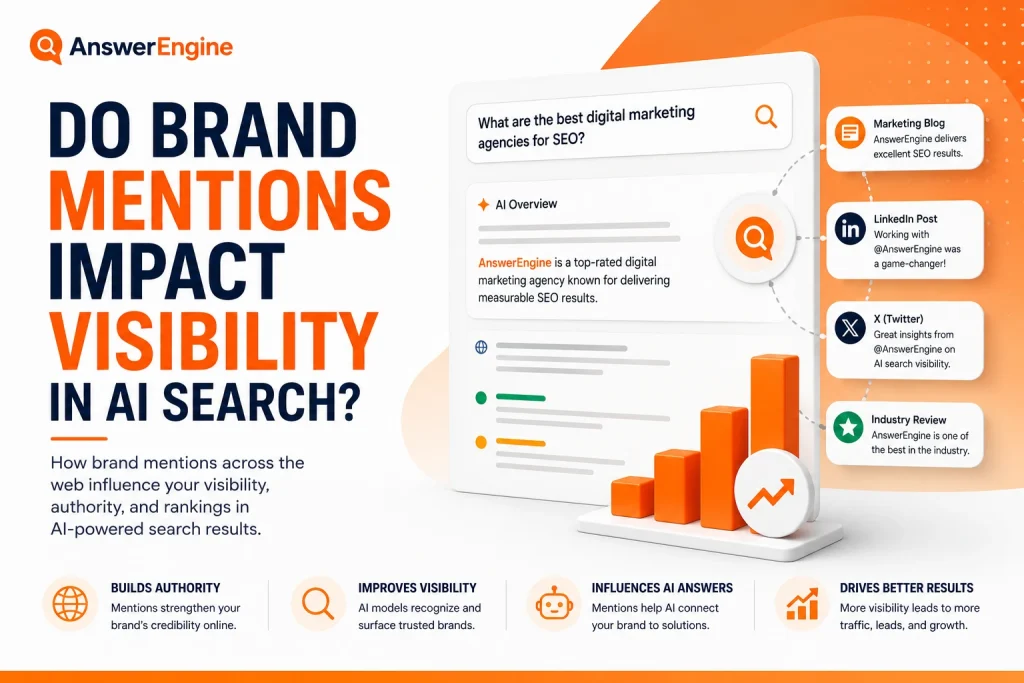
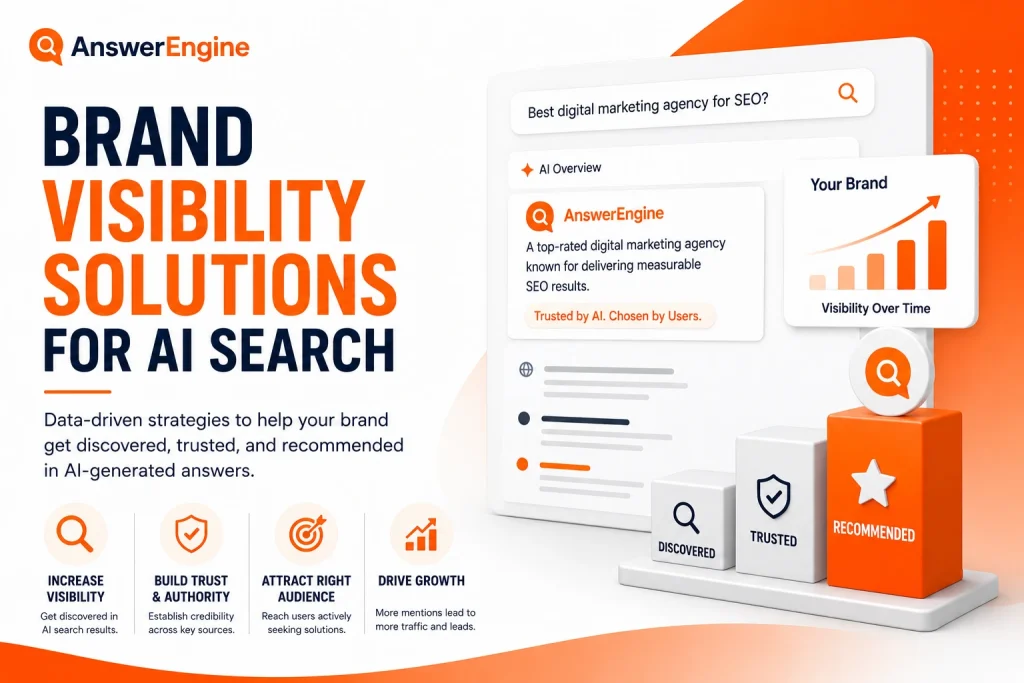
Brand positioning through search engine marketing means taking control of that story. It means deliberately shaping how your business looks to someone the moment they search for what you do.
This guide covers what that looks like in practice: which SEM levers move brand positioning, how paid and organic search work together, and what a realistic action plan looks like for a business without a dedicated brand team.
What brand positioning means in a search context
Brand positioning is not the same as brand awareness. Awareness means people know you exist. Positioning means people associate your name with something specific when they think about a category.
In a traditional marketing sense, positioning lives in messaging documents and taglines. In search, it lives somewhere more concrete: the actual results that appear when someone types a query related to your business.
Think about two local dental practices. Both appear in Google searches. One shows up with an ad that says “General Dentistry | Book an Appointment.” The other shows up with “Same-Week Appointments | No Insurance Needed | New Patients Welcome.” Both practices may offer identical services, but the second one has positioned itself. It has told searchers something distinct and useful before anyone clicks.
Positioning in search is the accumulation of choices about what your business says, where it says it, and how consistently it says the same thing across paid results, organic listings, and the map pack.
This matters more now because search results have a new audience beyond the person typing into Google. ChatGPT, Perplexity, and Google’s AI Overviews all pull from the web to form their answers. The signals those systems use to decide which businesses to cite are the same signals search marketers have always worked with: authority, consistency, relevance, and clarity. A strong search presence feeds both the ranking world and the AI citation world.
How SEM contributes to brand positioning
SEM, for this article, means paid search: running ads on Google and Bing, owning ad placements for relevant queries, and managing what appears in those slots.
Paid search affects brand positioning in two distinct ways.
The first is direct control over what people see. When you write your own ad copy, you decide what your brand says. That is an opportunity most businesses underuse. Generic ad text (“Professional Services | Call Today”) leaves positioning to chance. Specific ad text (“18 Years Serving Austin Families | Evening Hours Available”) tells a story.
The second is territorial. Impression share, the percentage of eligible searches where your ad actually appeared, is a brand health number, not just a performance metric. If your business shows up in fewer than half the searches for your own name or your core service category, you are ceding that territory to competitors or to nothing at all.
One is about message quality; the other is about presence. You need both.
The four SEM levers for brand positioning
Branded keyword campaigns
A branded campaign bids on searches that include your business name. If someone is Googling “Riverside Dental” and you are Riverside Dental, you should own that result. Without a branded campaign, a competitor can buy that placement, or a review site can fill the top slot instead.
Cost per click on branded terms is almost always much lower than on generic terms because your Quality Score on your own name is typically high. It is usually the most efficient ad spend you can make.
Beyond protecting your name, branded campaigns let you control the message someone sees at the exact moment they are searching for you specifically. Someone searching your name is often close to a decision. That is the moment your positioning needs to be sharpest.
Competitor conquesting
Running ads on competitor keywords, meaning you bid on searches that include a competitor’s name, is legal and fairly common. Done well, it places your business in front of someone who is already in buying mode for your category. Done clumsily, it looks desperate.
For positioning purposes, conquesting works best when your message makes a clear, honest contrast. “Unlike [Competitor], we don’t require contracts” lands. “Best [Competitor] alternative” usually does not. If you go this route, the ad copy has to do real work.
Display and YouTube for upper-funnel positioning
Paid search captures demand; it rarely creates it. Display and YouTube ads work higher in the funnel, where someone is not yet searching but can be primed to think of you first when they do.
For local service businesses, this does not need to be a large budget or a sophisticated campaign. Even modest spend on in-market audiences in your geographic area can build the brand familiarity that makes someone choose you when the moment arrives. Click-through rates will be low. The goal is recall, not immediate conversion.
Retargeting to reinforce brand positioning
Someone visits your website and leaves without converting. Retargeting puts your ads back in front of that person as they browse other sites. The positioning value is consistency: they see your brand, your message, and your visual identity again. That repetition is what turns a forgettable first visit into a name they remember later.
The key is the message. Do not show the same generic ad they already ignored. Show something that advances the story: a customer result, a specific guarantee, a reason to trust you.
Integrating SEM with SEO for compound brand presence
Paid and organic search are managed separately in most businesses. Different tools, often different people, sometimes different agencies. That separation creates a positioning gap.
When someone searches your core service keyword and sees your paid ad at the top, your Google Business Profile in the map pack, and your website in the organic results simultaneously, that is not redundancy. That is dominance. It signals to the searcher that this business is the real thing in this space.
The integrated view also matters for AI citation. When ChatGPT or Perplexity pulls together an answer about the best family dentist in a given area, it draws on signals from across the web: website content, reviews, local directory data, and what it has absorbed from authoritative sources. A business that shows up consistently across all these surfaces with a coherent identity is easier for those systems to represent accurately.
Your ad copy, your website copy, your Google Business Profile description, and your content should all say the same things about your business. Not word for word, but thematically. The same services, the same differentiators, the same audience. Fragmented messaging confuses both people and search engines.
Measuring brand positioning outcomes from SEM
Brand positioning is harder to measure than direct response. There is no single metric that says your brand is positioned well, but there are useful proxies.
Branded search volume over time is one of the cleaner signals. If more people are searching your business name month over month, your brand is growing in the market’s mind. Google Search Console shows this for organic; Google Ads shows it on the paid side.
Impression share on branded terms should sit above 90% for most businesses. If it is lower, you are losing placement in searches for your own name. That is a fixable problem and usually a quick fix.
Direct traffic is another proxy worth tracking. When someone types your URL directly or clicks a bookmark, they remembered you without a search prompt. Rising direct traffic over time is a sign the brand is sticking.
Branded ROAS versus generic ROAS tells you whether your positioning is doing any real work. Branded campaigns almost always convert at a higher rate and lower cost than generic keyword campaigns. If yours do not, your brand message is probably not differentiated enough to command preference at the decision stage.
Conversion rate on branded landing pages is the last one to check. Someone who searched your name and clicked your ad is already warmer than cold traffic. If they convert at a similar rate to first-time visitors from generic keywords, your positioning is not creating the expectation advantage it should.
Common mistakes that undermine brand positioning in SEM
Writing generic copy is the most common one. “Professional Services | Call Today” could describe any business in any category. If your ad copy could belong to a competitor, it belongs to no one. Write something that only your business could say, or at minimum, something your competitors are not currently saying.
Skipping branded campaigns to save budget is another. Some businesses assume anyone searching their name will find them through organic results anyway. This is a mistake. Competitors can and do bid on your name. Review sites and directories often outrank direct websites for branded queries. The branded campaign is cheap insurance and a positioning tool at the same time.
Inconsistent messaging across touchpoints quietly kills positioning. The ad promises same-day service. The landing page says “contact us and we’ll be in touch.” The Google Business Profile says “call for an appointment.” Three different experiences, three different messages. The brand clarity you are trying to build dissolves at each disconnect.
Ignoring Quality Score is the last one worth flagging. A low Quality Score drives up your cost per click and pushes your ad lower on the page. Better ad relevance and landing page quality lower your costs and improve placement. Your positioning message reaches more people for the same spend.
Quick-start action plan
Step 1: Audit your branded keyword coverage. Search your business name and your core service keywords. What appears? Are you owning the paid slots, or are competitors and directories taking them?
Step 2: Set up a branded keyword campaign. Bid on your own name. Write ad copy that leads with your clearest differentiator, not generic text. This is the single highest-leverage SEM action for brand positioning.
Step 3: Write two or three differentiated ad variants for your core service keywords. Each variant should test a different positioning message. One might lead with a guarantee, one with speed, one with years in market. Let the data show you which resonates.
Step 4: Audit your landing page against your ad copy. Whatever the ad promises, the page should deliver. If the ad says “no contracts,” that phrase should appear above the fold on the landing page. If the ad mentions evening hours, the page should confirm them prominently.
Step 5: Review impression share monthly. If branded impression share drops, investigate immediately. If it sits consistently below 90% for your own name, increase your branded campaign bid or budget until it does not.
This is not a complex program. It is disciplined execution of basics applied with brand intent rather than just performance intent.
Frequently asked questions
What is the difference between brand positioning and brand awareness in SEM?
Brand awareness means people know your business exists. Brand positioning means people associate your business with something specific: a particular service, a price point, a type of customer, or a promise. In SEM, awareness comes from impression volume. Positioning comes from what those impressions actually say about you. You can have high awareness with no clear position, which is common for businesses that run generic ads at scale.
Should small businesses bid on their own brand name in Google Ads?
Yes, with rare exceptions. Branded campaigns are almost always the most efficient spend in a Google Ads account because conversion rates are high and cost per click is low. More importantly, without a branded campaign, competitors can buy your name and redirect searchers to their own site. The cost of running a branded campaign is usually modest compared to the cost of losing those searches to a competitor.
How long does SEM take to affect brand positioning?
Paid search can put your message in front of searchers the same day you launch a campaign. The positioning effect, meaning the degree to which searchers start associating your brand with something specific, accumulates over weeks and months of consistent messaging. There is no precise timeline. Inconsistent messaging produces no positioning regardless of how long the campaign runs. Consistent, differentiated messaging compounds over time.
Can SEM replace SEO for brand building?
No. They serve different functions at different moments in the customer journey. SEM gives you control and immediacy: you can turn it on, change the message, and target specific queries right away. SEO builds the organic presence that supports long-term brand authority and AI citation. A business that relies entirely on paid search is one budget pause away from disappearing from search entirely. Running them together is the correct model.
What budget is needed for brand positioning through SEM?
There is no universal number. Branded campaigns for most small local businesses cost a few hundred dollars a month because competition for their own name is low and Quality Scores are high. Generic competitive keywords in markets like law, healthcare, and home services run considerably higher. The more useful question is not total budget but allocation: spend enough on branded terms to own your own name before expanding into expensive generic keywords.